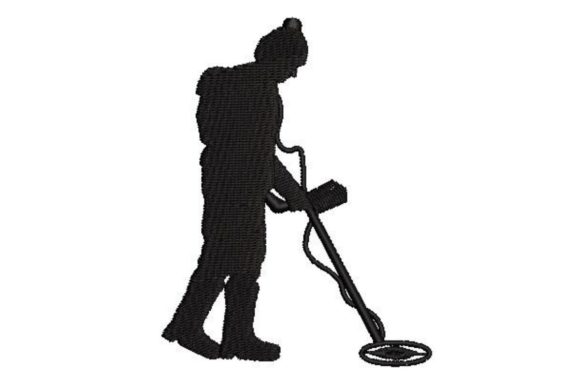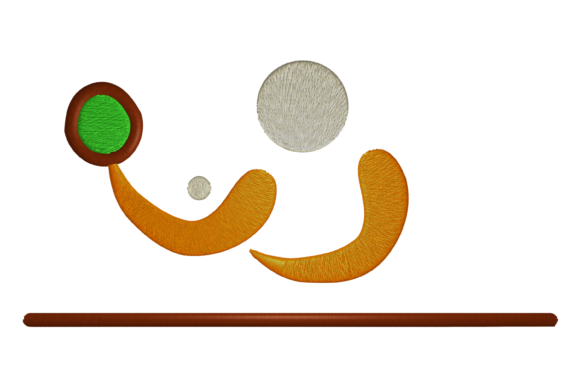
Ping Pong Player Embroidery Design
The Ping Pong Player embroidery design is a standout piece for any craft fair seller or handmade product creator. Its energetic and sporty vibe makes it ideal for targeting ping pong enthusiasts, fitness lovers, and anyone who appreciates a touch of fun in their everyday wear. As an experienced embroidery designer, I’ve evaluated this design with the goal of turning it into a successful craft fair product that resonates with customers and sells well at the booth.
First Impressions of Ping Pong Player
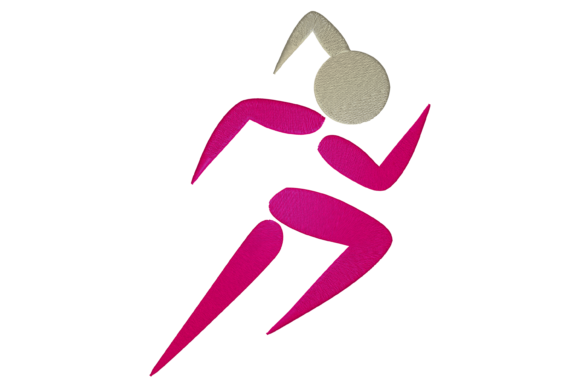
From the first glance, Ping Pong Player feels modern and bold. It’s not overly cute or rustic—it has a clean, stylized look that works well on both casual and slightly more refined items. The design captures the essence of a ping pong player in motion, which gives it a dynamic visual appeal. This makes it perfect for products like tote bags, aprons, and caps where it can catch the eye of passersby at a craft fair or handmade market.
How Ping Pong Player Performs on Different Products
When considering where to place Ping Pong Player, the design shines best on larger surfaces such as tote bags, market bags, and pillow covers. These allow the design to be seen clearly and make a strong impression. On smaller items like patches, caps, or fabric pouches, it still works but needs to be scaled appropriately to maintain its detail and clarity.
- Tote Bag Design: Perfect as a focal point, especially on light-colored fabrics where the thread colors pop.
- Apron Embroidery: Adds a playful twist to kitchen accessories, making it a unique handmade product for home décor.
- Tea Towel Embroidery: Works well as a small accent, bringing a touch of sports flair to everyday household items.
- Embroidered Patch: Ideal for adding to jackets, backpacks, or hats, offering versatility for different styles.
- Stitch Density: The design appears to have a balanced stitch density, which is great for commercial embroidery and batch production.
Practical Selling and Production Points
As an Etsy seller or small shop product creator, one of the key considerations is how easy the design is to produce in bulk. Ping Pong Player seems to be designed with this in mind. It’s clear at a glance, which is essential for both in-person and online sales. When photographing for Etsy listings, the design should stand out without needing excessive lighting or angles.
It also works well as a small accent or large focal design, depending on the product. For example, on a cap, it can be placed on the front as a statement piece, while on a tea towel, it can serve as a subtle detail. This flexibility increases its appeal across multiple product types.
Careful-Use Notes for Ping Pong Player
While the design is versatile, there are a few things to keep in mind when using it for commercial embroidery. The design may have dense stitch areas that require proper stabilizer use, especially on thicker fabrics like denim or textured towels. Tiny details could be lost if the hoop size is too small or if the stitch count is not optimized.
For dark fabric applications, it’s important to choose contrasting thread colors to ensure visibility. Also, when working with curved surfaces like caps, the design might need slight adjustments to fit properly. At smaller sizes, the design could lose some of its clarity, so it’s best to test it at various scales before mass production.
Impact on Visual Appeal and Customer Engagement
Ping Pong Player adds a unique visual element to any product it’s used on. Its dynamic style draws attention, making it a strong contender for booth displays. Customers often gravitate toward designs that tell a story or evoke a feeling, and this one does just that. It brings a sense of energy and personality to handmade products, which enhances their perceived value.
As a brand consistency tool, it can be used across multiple items in a collection, reinforcing your shop’s theme. Whether you’re selling embroidered patches, tote bags, or pillow covers, having a cohesive design like Ping Pong Player helps create a stronger, more recognizable brand presence at the craft fair.
Embroidery Designer Notes for Success
To ensure the best results, always test the Ping Pong Player embroidery file on scrap fabric before committing to a full batch. Check the thread colors against the fabric to make sure they contrast well. Review the spacing between elements to avoid overcrowding, especially on smaller products.
Confirm the correct hoop size for your machine and inspect the stitch density to prevent puckering or distortion. Use the right stabilizer for the fabric type—especially for thick or textured materials. Create at least one real mockup to see how the design looks in person, and compare fabric colors to ensure the design stands out in all variations.
Before selling finished products, confirm the commercial licensing terms of the embroidery file. This ensures you’re compliant and can confidently market your handmade items as authentic and legal.
Conclusion: Why Ping Pong Player is a Great Craft Fair Product
In summary, the Ping Pong Player embroidery design is a valuable addition to any craft fair seller’s product lineup. It’s visually appealing, versatile, and practical for a wide range of handmade items. Whether you're creating tote bags, aprons, or embroidered patches, this design has the potential to attract attention and drive sales.
As an embroidery designer, I recommend testing the design thoroughly, understanding its limitations, and leveraging its strengths to create high-quality, engaging products. With the right approach, Ping Pong Player can become a staple in your handmade shop and a crowd favorite at the next craft fair.